


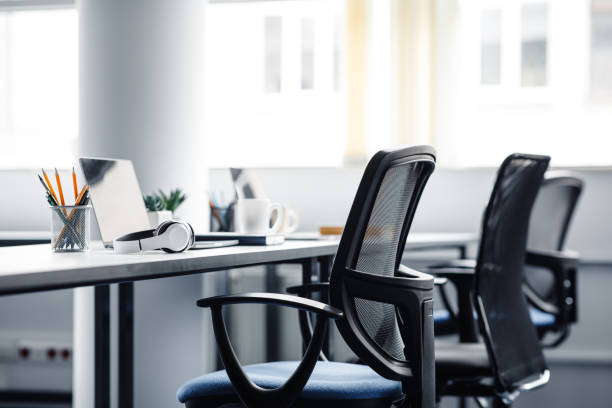
Environment shapes how hard your eyes and brain work. Tune light, sound, and airflow so the desk supports focus instead of fighting it.
Place your desk so windows sit to the side when possible. If the sun hits the screen directly, use blinds or sheer curtains—diffuse light reduces squinting. A task lamp on the opposite side from your writing hand illuminates paper without casting shadows on the keyboard.
Choose bulbs around 3000–4000 K for evening paperwork; many Amsterdam flats mix warm ceiling lights with cooler monitor light. Try to avoid strong colour clashes that make the room feel split. Reflective desks amplify glare; a desk mat with matte finish helps.
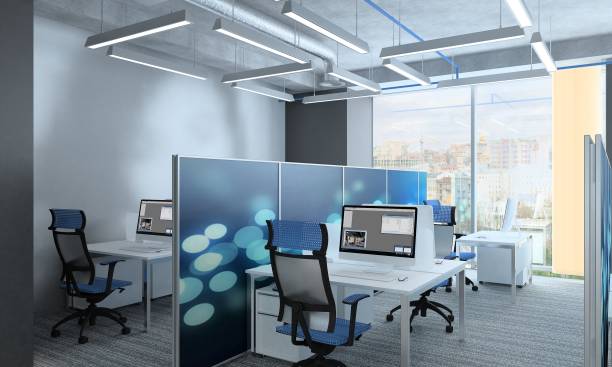
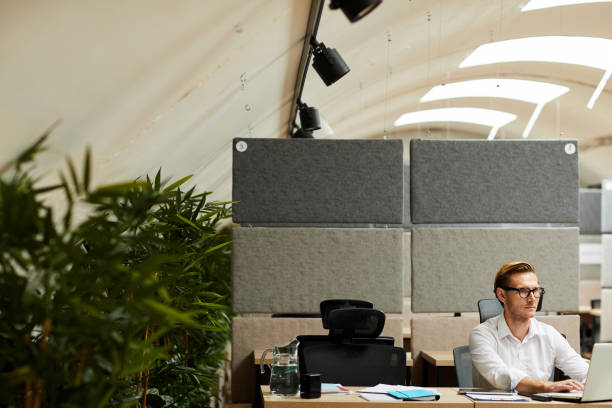
Intermittent noise—conversations, doors, street trams—often distracts more than steady hum. If you cannot relocate, negotiate “focus blocks” with housemates or colleagues, or use consistent low-level sound you control. Over-ear cups without playback can dampen spikes; keep volume safe if you do listen.
Video calls from the kitchen while others cook rarely works long term. A simple rule: calls with camera optional use a headset mic away from echoing tiles. Position the desk away from shared corridors when you need deep work.
Stale air contributes to afternoon sleepiness in some office studies. Open a window for short ventilation breaks when outdoor noise and pollen allow. In winter, exchange air without leaving you in a draft directly on the neck—angle vents away or use a screen.
Layer clothing instead of overheating the room; 20–22 °C suits many people, but metabolism varies. Dry air irritates eyes and throat: a bowl of water near a radiator is a low-tech humidifier; clean it weekly. Plants do not replace ventilation but can make spaces feel calmer.
Do not run power strips under rugs. Keep liquids away from electronics. Report flickering lights that cause discomfort—they may need maintenance. If you smell burning or feel dizzy from fumes, leave the area and follow building safety procedures.
Ring lights reduce harsh shadows on the face; pair them with soft ambient light so the background is not pitch black. Avoid pointing any lamp directly into your eyes for long sessions.
No. Headphones are a tool, not recovery. Still stand, move, and change visual distance regularly.